
Understanding the psychology behind casino gambling influences decision-making and risk behavior
The Role of Emotions in Gambling
Emotions significantly impact decision-making in casino gambling. When players enter a casino, they often experience a rush of excitement and anticipation, which can cloud their judgment. This emotional state can lead individuals to make impulsive decisions, such as betting more than they initially planned. The thrill of potential wins can override rational thought, pushing players towards higher risk behaviors, and sometimes, they may even explore online poker real money options for a thrill.
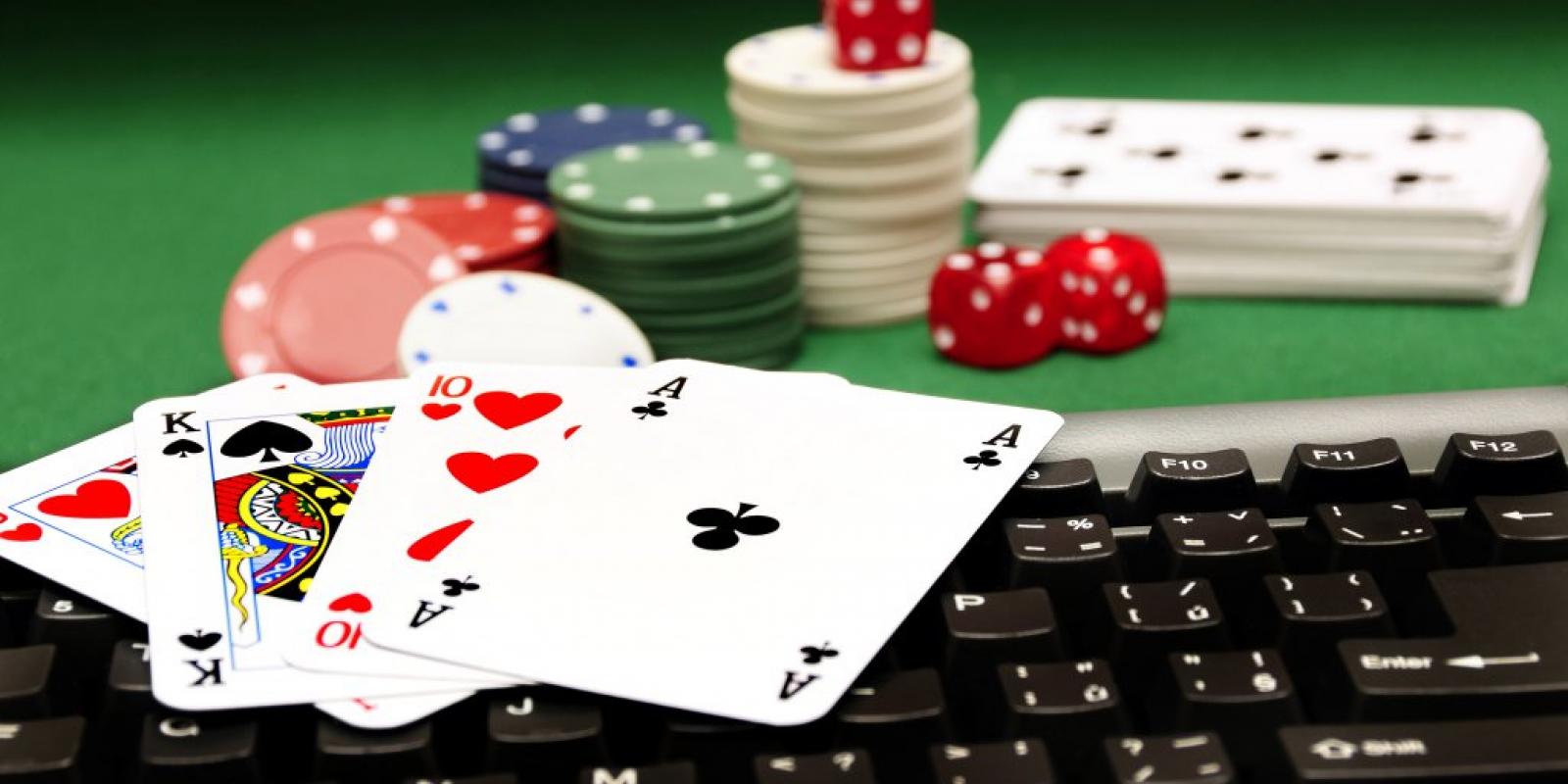
Additionally, emotions like frustration or euphoria can affect a gambler’s actions. For instance, a player on a losing streak may feel compelled to chase losses, increasing their bets in hopes of a big win. This cycle can lead to significant financial repercussions, as emotional decision-making tends to ignore the logical assessment of odds and probabilities.
The Influence of Cognitive Biases
Cognitive biases play a crucial role in how individuals perceive risk and make decisions while gambling. One prevalent bias is the illusion of control, where gamblers believe they can influence outcomes in games of chance. This belief may encourage players to engage in riskier behaviors, as they underestimate the randomness of events like slot machines or roulette.
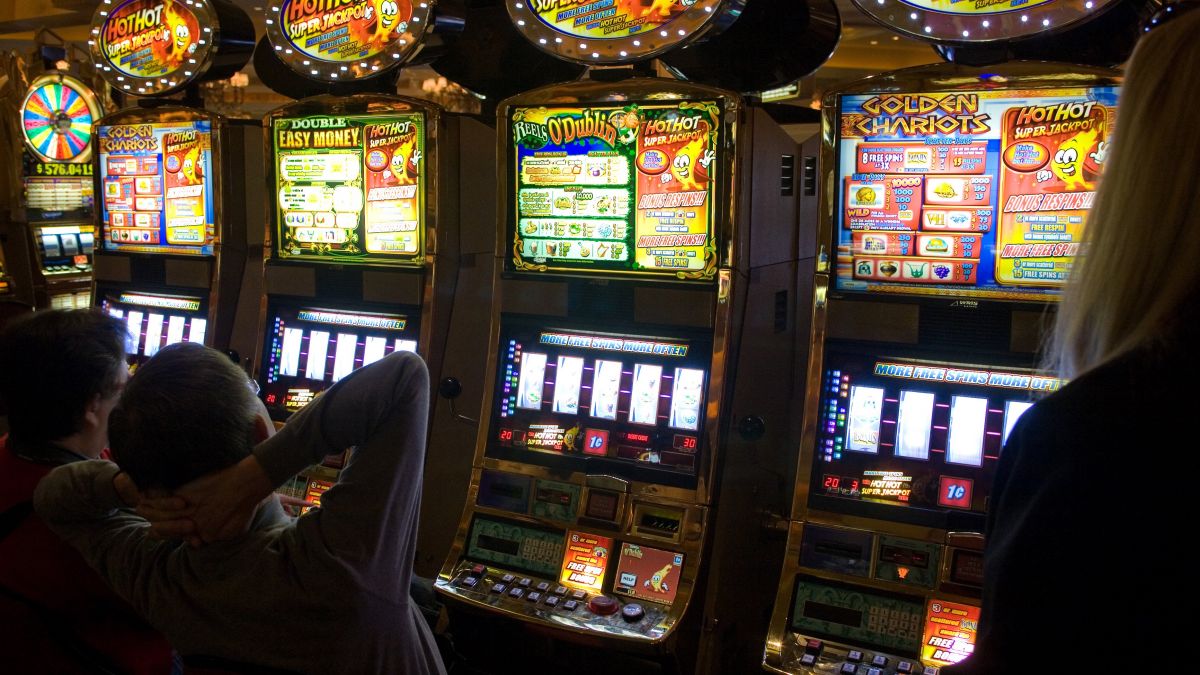
Another common bias is the gambler’s fallacy, which leads players to assume that past outcomes influence future results. For example, if a player observes a slot machine has not paid out recently, they might erroneously believe it is “due” for a win. This distorted thinking can result in higher stakes and greater financial loss, as players act on flawed perceptions of probability.
The Social Aspect of Casino Gambling
The social environment of casinos can also shape gambling behavior. Many individuals are drawn to the communal atmosphere, where the energy and excitement of fellow gamblers can be intoxicating. This social interaction can lead to increased risk-taking, as players may feel emboldened by the presence of others. The desire to fit in or impress peers can exacerbate this tendency.
Moreover, peer pressure can play a significant role in decision-making. When surrounded by friends or fellow gamblers, individuals may feel compelled to take risks that they would otherwise avoid. This dynamic can create a cycle of risky behavior, as people may escalate their bets to match those around them, leading to impulsive choices that disregard personal limits.
The Impact of Reward Systems
Certain reward systems in casinos, such as loyalty programs and jackpots, can reinforce risky behaviors. The anticipation of a large payout creates a powerful incentive for gamblers to continue playing, often to their detriment. This system can manipulate player psychology, encouraging longer play sessions and increased financial commitment.
Furthermore, intermittent reinforcement—the concept that rewards are given unpredictably—can heighten excitement and encourage repeated play. Gamblers may continue to chase the elusive big win, disregarding the odds stacked against them. This creates a cycle of anticipation and reward, making it challenging for players to recognize when to stop.
About Our Website
Our website aims to provide valuable insights into the psychology behind gambling and its effects on decision-making and risk behavior. We strive to educate readers about the various factors influencing gambling choices, empowering individuals to make informed decisions. Understanding these psychological elements can lead to healthier gambling habits and better financial outcomes.
By exploring the complex interactions between emotion, cognitive biases, social influences, and reward systems, we hope to foster a greater awareness of gambling behavior. Our content is designed to be informative and engaging, serving as a resource for anyone looking to understand the intricate dynamics of casino gambling.