
Understanding the basics of gambling A beginner’s guide to navigating the odds
What is Gambling?
Gambling involves risking something of value, typically money, on an event with an uncertain outcome in the hopes of winning a greater amount. It takes many forms, from traditional casino games like poker and blackjack to modern online betting platforms. Understanding the various types of gambling can help beginners navigate the landscape more effectively. For instance, many enthusiasts now seek casinos not on gamstop 2026, which highlights changing preferences in the industry.
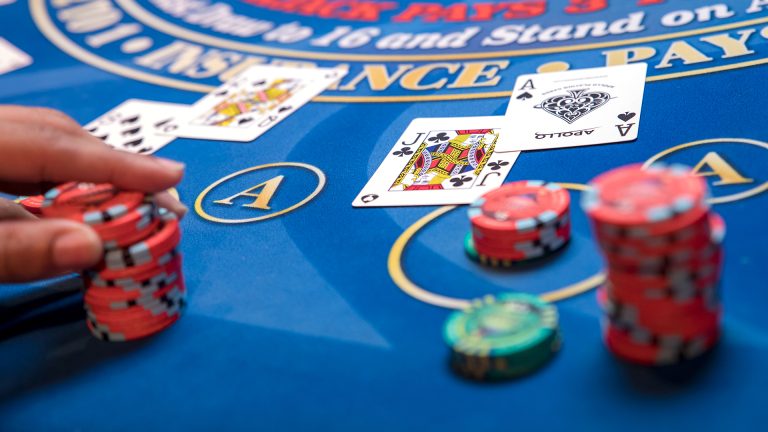
The allure of gambling often stems from the thrill of potential wins and the social interaction it can provide. However, it’s essential to approach it with a clear understanding of the risks involved. Many cultures have different perspectives on gambling, which can influence attitudes and practices, making it a fascinating topic to explore.
The Odds Explained
At the heart of gambling are the odds, which indicate the likelihood of a particular outcome occurring. Odds are usually expressed in various formats, including fractional, decimal, and moneyline. Understanding these formats is crucial for any beginner to make informed betting decisions.
Knowing how to interpret odds not only helps in assessing potential payouts but also in understanding the probability of winning. For instance, fractional odds are common in the UK, while decimal odds are popular in Europe. Familiarity with these can enhance your betting experience and strategy.
Common Gambling Strategies
Many gamblers employ specific strategies to increase their chances of winning. These can range from betting systems that suggest certain patterns to risk management techniques that help limit losses. Understanding these strategies can provide a more structured approach to gambling.
However, it’s crucial to remember that no strategy guarantees success. The nature of gambling involves a significant element of chance, and while strategies can improve odds, they cannot eliminate the inherent risks. Beginners should focus on enjoying the experience rather than solely seeking profit.
The Importance of Responsible Gambling
Responsible gambling is about maintaining a balanced approach to betting and understanding when to stop. Setting limits on time and money spent can help prevent negative consequences. Many organizations provide resources to promote responsible gambling practices, emphasizing the need for self-awareness.
It is important for beginners to recognize the signs of problem gambling, such as chasing losses or betting more than one can afford. Acknowledging these behaviors early can lead to healthier gaming habits, ensuring that gambling remains a fun and entertaining activity rather than a source of stress.

A Safe Online Gambling Experience
When venturing into online gambling, safety and security should be top priorities. Look for platforms that utilize advanced security measures to protect personal and financial information. Many sites implement technologies that block unusual activity to maintain a secure environment for their users.
Additionally, users may experience temporary access issues due to these protective actions. In such cases, reaching out to the website’s support team can help resolve the situation. Prioritizing user protection ensures that gambling remains a safe and enjoyable experience for everyone involved.