
What Is a Corporate Software Inspector?
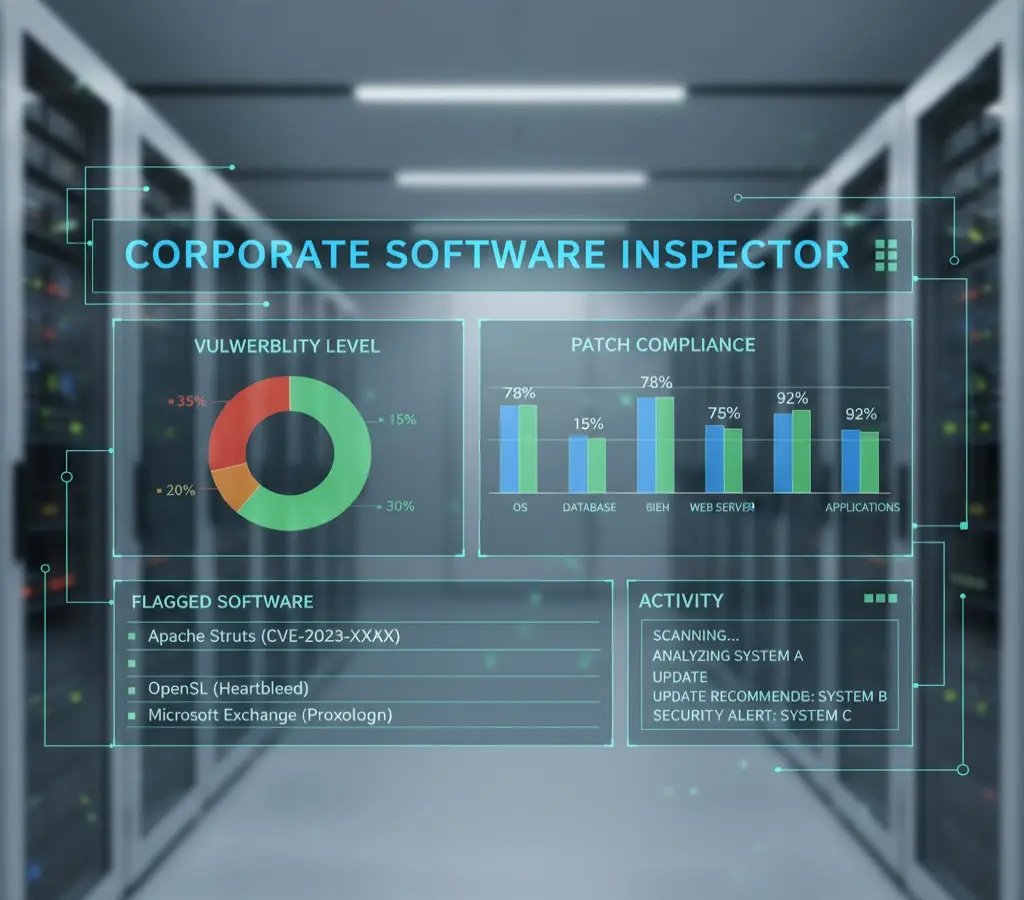
A corporate software inspector is a specialized tool designed to monitor, analyze, and manage software assets within an organization. In simple terms, it helps companies keep track of what software they own, how it is used, and whether it meets compliance and security standards.
Today’s businesses rely on dozens or even hundreds of applications. Without a structured inspection system, things can quickly spiral out of control. Licenses expire. Security vulnerabilities go unnoticed. Costs rise without warning. That is where a corporate software inspector becomes essential.
This system provides full visibility into installed applications, license usage, patch levels, and security risks. It supports IT teams by delivering real time insights and automated reports. As a result, organizations can stay compliant, secure, and financially efficient.
Core Components of a Corporate Software Inspector
A reliable corporate software inspector typically includes:
-
License Management Module
-
Security Vulnerability Scanner
-
Compliance Monitoring System
-
Automated Reporting Dashboard
-
Asset Discovery Engine
These components work together to provide a complete overview of an organization’s software ecosystem.
Why Businesses Need Software Inspection Tools
Let’s face it. Managing enterprise software manually is nearly impossible. As companies scale, complexity increases. Without automation, IT teams struggle to maintain control.
A corporate software inspector reduces risk, saves time, and ensures regulatory compliance. It also supports standards such as ISO software governance frameworks. For more details on compliance standards, you can review guidance from the International Organization for Standardization at https://www.iso.org.
1. Strengthened Software Compliance
One of the biggest advantages of using a corporate software inspector is improved compliance. Organizations must follow licensing agreements and regulatory rules. Failure to comply can lead to hefty fines.
A corporate software inspector continuously tracks license usage. It compares installed software against purchased licenses. If discrepancies appear, alerts are triggered immediately.
Avoiding Legal Penalties
Software audits are becoming more frequent. Vendors regularly conduct compliance checks. If a company is found using unlicensed software, penalties can be severe.
With a corporate software inspector, businesses remain audit ready at all times. The tool stores documentation and usage logs. That means no last minute scrambling during an inspection.
Maintaining Audit Readiness
Audit readiness is not just about avoiding fines. It is about building trust. Clients and partners prefer working with organizations that follow strict compliance standards.
A well implemented corporate software inspector creates structured documentation, making regulatory reporting smooth and stress free.
2. Enhanced Cybersecurity Protection
Cyber threats are growing rapidly. Outdated software is one of the biggest entry points for attackers. A corporate software inspector plays a major role in strengthening cybersecurity.
It scans systems for outdated versions, missing patches, and known vulnerabilities. This proactive approach prevents breaches before they happen.
Identifying Security Gaps Early
Prevention is always better than cure. A corporate software inspector identifies weak points in the IT infrastructure. It flags risky applications and unsupported versions.
Early detection allows IT teams to take corrective action immediately.
Reducing Attack Surface
When unnecessary or outdated software remains installed, it increases the attack surface. Removing unused applications significantly lowers security risks.
Through centralized monitoring, a corporate software inspector ensures only authorized software remains active.
3. Improved Cost Optimization
Software expenses can eat up a large portion of the IT budget. Many companies pay for licenses they never use.
A corporate software inspector provides detailed usage reports. It highlights underutilized tools and redundant subscriptions.
Eliminating Unused Software
Imagine paying for 500 licenses when only 300 are in use. That is wasted money. With accurate insights, companies can reduce subscriptions and reallocate resources.
Over time, these savings add up significantly.
Optimizing License Allocation
Sometimes departments request new licenses even though unused ones exist elsewhere. A corporate software inspector reveals these inefficiencies.
Instead of purchasing new software, organizations can redistribute existing licenses.
4. Centralized Software Visibility
Visibility is power. Without a centralized dashboard, IT teams operate blindly.
A corporate software inspector provides a single pane of glass view. It displays all installed applications, usage statistics, and compliance status in one place.
Real Time Monitoring
Modern tools offer real time monitoring. This ensures updates, installations, and removals are tracked instantly.
Such transparency supports informed decision making.
Better Decision Making
Data driven decisions outperform guesswork. When executives see accurate reports, they can plan budgets and upgrades strategically.
This level of clarity transforms IT management from reactive to proactive.
5. Boosted Operational Efficiency
Manual audits consume valuable time. Spreadsheets and disconnected systems slow everything down.
A corporate software inspector automates data collection and report generation.
Streamlined IT Workflows
Automation simplifies complex processes. Instead of manually checking every workstation, the system scans networks automatically.
This reduces workload and increases productivity.
Reduced Manual Errors
Human error is unavoidable. Automation minimizes mistakes in tracking and reporting.
Consequently, operational reliability improves across departments.
Implementation Best Practices
Implementing a corporate software inspector requires careful planning.
Selecting the Right Tool
Before choosing a solution, consider:
-
Scalability
-
Integration capability
-
Reporting features
-
Security certifications
-
Vendor support
Choose a system that aligns with long term business goals.
Training and Adoption
Even the best technology fails without proper training. IT teams and department heads must understand how to interpret reports and respond to alerts.
Clear communication and structured onboarding ensure successful adoption.
Key Features to Look For
When evaluating a corporate software inspector, prioritize:
-
Automated asset discovery
-
License reconciliation
-
Vulnerability scanning
-
Real time alerts
-
Cloud and on premise compatibility
-
Detailed compliance reporting
These features guarantee comprehensive oversight.
Industry Use Cases
A corporate software inspector is useful across multiple industries:
-
Healthcare: Ensures compliance with data protection standards
-
Finance: Maintains strict regulatory alignment
-
Education: Tracks campus wide software licenses
-
Manufacturing: Secures industrial systems
Every sector benefits from structured software governance.
Common Challenges and Solutions
Despite its benefits, implementation may face challenges.
| Challenge | Solution |
|---|---|
| Resistance to change | Provide training and leadership support |
| Data overload | Customize dashboards |
| Integration issues | Select API friendly solutions |
| Budget constraints | Demonstrate ROI with pilot programs |
By addressing these issues early, organizations maximize results.
Future Trends in Software Inspection
The future of corporate software inspector technology looks promising.
Artificial intelligence is enhancing predictive analytics. Instead of simply reporting problems, systems will soon predict compliance risks before they arise.
Cloud based inspection platforms are also gaining popularity. They offer scalability and remote accessibility.
Automation will continue to reduce manual intervention. As technology evolves, inspection systems will become smarter and more intuitive.
Frequently Asked Questions
1. What does a corporate software inspector actually do?
A corporate software inspector monitors installed applications, tracks licenses, identifies vulnerabilities, and ensures compliance across an organization.
2. Is a corporate software inspector necessary for small businesses?
Yes. Even small businesses face compliance and security risks. A scaled down version can still provide valuable oversight.
3. How often should software inspections be conducted?
Continuous monitoring is ideal. Modern systems operate in real time rather than periodic audits.
4. Can a corporate software inspector reduce IT costs?
Absolutely. By eliminating unused licenses and preventing security incidents, organizations save substantial funds.
5. Does it integrate with cloud platforms?
Most modern solutions support hybrid environments, including cloud and on premise systems.
6. Is implementation complex?
Implementation varies depending on organizational size. With proper planning and training, deployment is manageable.
7. How does it support regulatory compliance?
It maintains detailed logs, tracks licensing agreements, and generates audit ready reports for regulatory authorities.
Conclusion
A corporate software inspector is no longer a luxury. It is a necessity in today’s digital landscape. Organizations face increasing regulatory demands, cybersecurity threats, and financial pressures.
By implementing a structured inspection system, businesses gain transparency, reduce risk, and optimize costs. More importantly, they build a foundation for sustainable growth.
Technology keeps evolving. Companies that invest in proactive software governance will stay ahead of the curve. Those that ignore it risk falling behind.
In the end, smart oversight leads to smarter business decisions. And that is something every enterprise can benefit from.